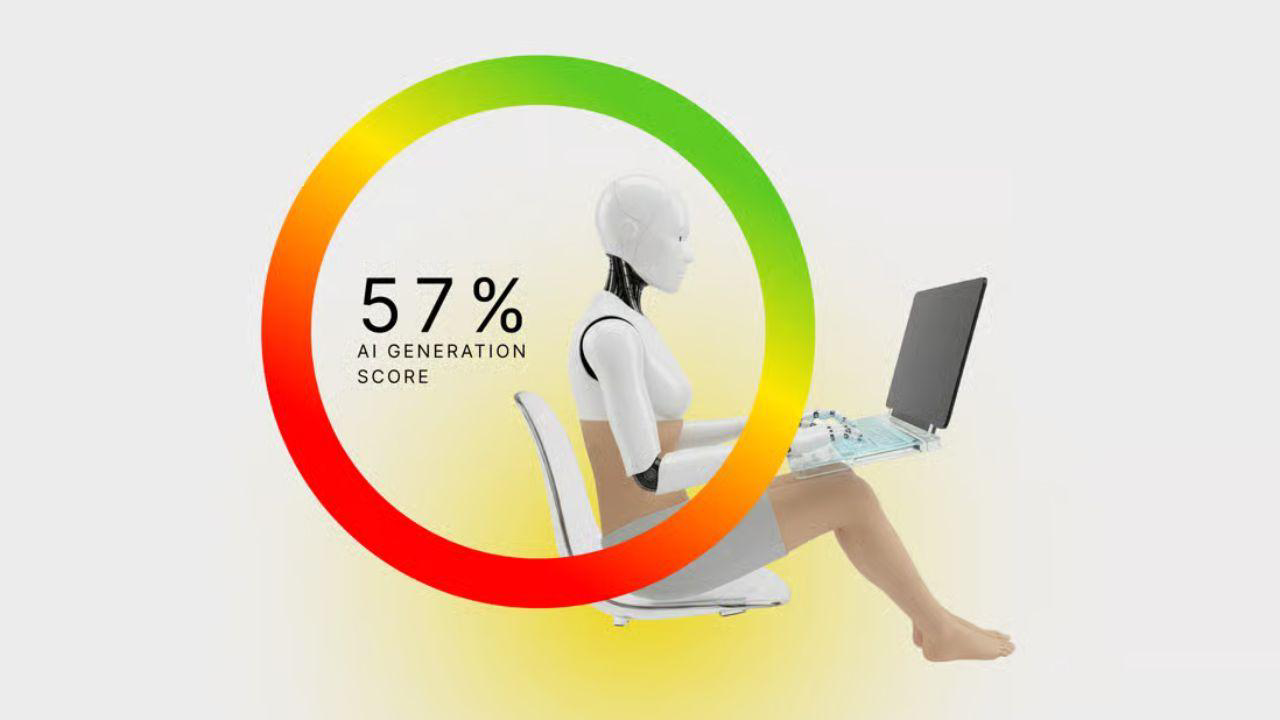
If you write content online, you have probably heard about AI content detectors. These tools scan written text and try to figure out if a human or an AI wrote it. So, they are becoming more popular every day. Schools use them to check student work. Employers use them to review job applications. Publishers use them to screen submitted articles. Therefore, it is important to understand how they actually work.
However, these tools are not perfect. They sometimes flag human writing as AI-generated. On the other hand, some AI-written content slips past them without any problem. So, whether you are a blogger, student, or professional writer, knowing about these tools can help you a lot. In fact, using a AI detector free tool can save you a great deal of trouble before you publish anything.
What Is an AI Content Detector?
An AI content detector is a tool that reads text and gives it a score. That score tells you how likely the text was written by an AI. Most tools express this as a percentage. For example, a score of 90% means the tool believes AI wrote most of the content.
These tools look at patterns in the writing. AI writing tends to follow very predictable patterns. It often uses smooth sentences, balanced structure, and common word choices. Human writing, in contrast, tends to be a bit more irregular. People make small errors, use unusual phrases, and change their writing style from time to time. As a result, detectors look for these differences to make their judgments.
How Do These Tools Actually Detect AI Writing?
Most detectors use two main methods to analyse text. These are perplexity and burstiness. Here is what each one means:
- Perplexity measures how surprising or unpredictable the word choices are. AI tools tend to pick the most expected word in any given situation. Human writers often pick less predictable words, which raises the perplexity score.
- Burstiness looks at the variation in sentence length. Humans naturally mix short and long sentences. AI often writes in a more uniform way, with sentences that are all a similar length.
- Training data comparison means the tool has learned from both human and AI writing samples. It then compares your text against what it already knows.
Because of this, a well-written piece by a human can sometimes get flagged. This happens especially when someone writes in a clean, formal, and structured way. Moreover, ESL writers often get flagged because their sentence patterns can look similar to AI output. This is one reason why these tools are still not fully reliable.
Why So Many People Are Using These Tools
The rise of tools like ChatGPT and other AI writers has changed the content world. Thousands of articles, blog posts, and academic papers are now generated by AI every single day. Because of this, teachers, editors, and content managers want a way to check what they receive.
Furthermore, Google has made it clear that low-quality, scaled AI content can hurt a website’s search rankings. So, website owners need to make sure the content they publish is original and valuable. As a result, running text through an AI detector free check before publishing has become a common step in many content workflows.
Are AI Detectors Always Right?
No, they are not. This is one of the most important things to understand. These tools make mistakes. In fact, research has shown that some popular detectors produce false positives at a shocking rate. A false positive is when the tool says AI wrote something that a real human actually wrote.
For instance, one study found that passages from the Bible and classic novels were flagged as AI-generated. That tells you a lot about the limits of these tools. They look for patterns, but patterns alone cannot tell the whole story. Therefore, you should never rely on a detector result as final proof of anything.
That said, detectors still serve a useful purpose. They can highlight content that needs a closer look. They work best as a starting point, not as a final verdict.
Tips for Writers Who Want to Avoid Being Wrongly Flagged
If you are a human writer and you want to make sure your content passes detection tools, here are a few simple steps you can take:
- Mix up your sentence lengths. Write some short ones. Then follow with a longer one that gives more context or detail.
- Use personal stories or examples. AI tools do not have personal experiences, so adding your own voice makes a big difference.
- Avoid overly polished language. It is fine to write a little informally sometimes. Natural imperfection is a sign of human writing.
- Include opinions and emotions. When you share how you feel about a topic, it adds a human layer that AI writing often lacks.
Additionally, after you finish writing, run your content through a check. This gives you peace of mind. It also helps you spot any sections that might read too flat or structured. Then, you can adjust before anyone else sees it.
What to Look for in a Good AI Detector Tool
Not all detectors are the same. Some are more accurate than others. When choosing one, look for a tool that has been trained on a wide range of content types. It should work well on blog posts, essays, emails, and other formats. It should also tell you which specific parts of your text triggered the AI flag, not just give you an overall score.
Also, look for tools that are updated regularly. AI writing tools keep improving, so detectors need to keep up. A tool that was trained only on older AI models may miss newer content patterns entirely.
The good news is that many strong options are available without cost. You do not need to spend money to get decent results. An AI detector free option can be a great starting point, especially if you only need to check your content occasionally. However, if you are checking large volumes of content regularly, a paid plan may offer more value in the long run.
The Future of AI Detection
AI detection is still a growing field. As AI writing tools get smarter, detectors will need to adapt. Some experts believe that detection will become harder over time. Others think that new techniques, like watermarking AI text at the source, will eventually solve the problem.
For now, though, the debate continues. Some schools have already banned the use of AI detectors in grading because of how often they produce false results. Meanwhile, others still rely on them heavily. The situation is still evolving, and no single approach has proven to be a perfect fix.
What is clear, however, is that the conversation around AI content is not going away. Writers, educators, and businesses all need to stay informed. Understanding how these tools work gives you an edge. It helps you write with more confidence and manage your content more wisely.
Final Thoughts
AI content detectors are useful tools, but they are not foolproof. They help flag content that might need a second look, but they should never be the only measure of quality or originality. Whether you are a writer trying to protect your work or a manager trying to maintain content standards, understanding these tools is a smart move.
Use them as a guide. Combine them with human judgment. And always remember that good writing, no matter who or what creates it, comes down to whether it is clear, honest, and useful to the reader.